
Autumn
Autumn pumpkin: why it's the symbol of Halloween, the varieties and how to cook with it
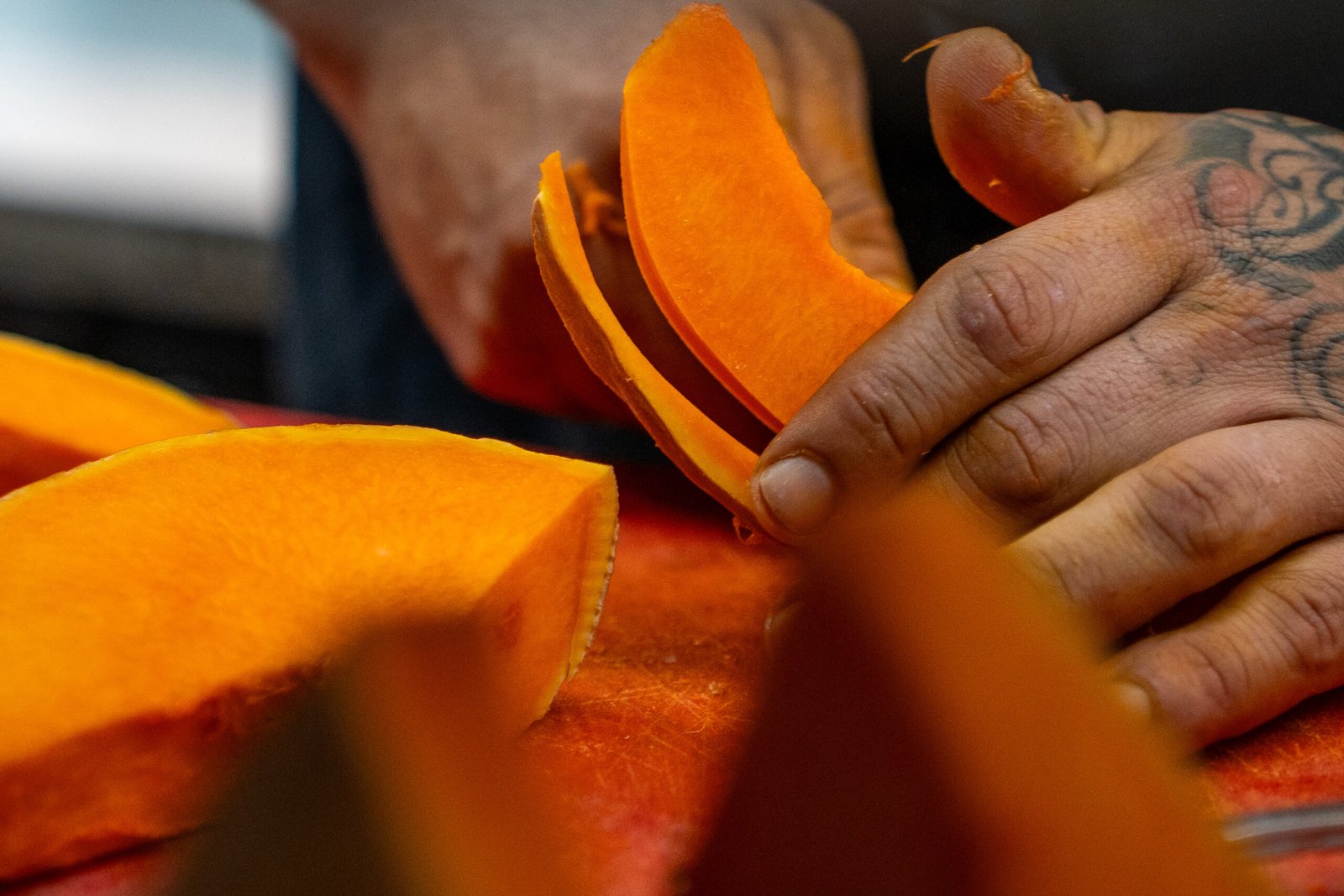
From the lanterns of 31 October to the tortelli of Italian tradition, pumpkin tells stories of places, landscapes and cooking habits. A guide to getting to know it, choosing it and making the most of it, from starter to dessert.
At the market, you can tell autumn has arrived from the pumpkins. Some are small and round, others long; their skins are green, orange or sand-coloured, smooth or marked by ribs and bumps. Cut them open and you find flesh ranging from yellow to deep orange, with different textures and flavours.
Talking about pumpkin, then, means talking about a whole family of ingredients, each with its own character. One variety may be at its best in a filling for fresh pasta, another in a soup, another still simply roasted.
October is the ideal time to get to know them. And Halloween, with its glowing lanterns, raises a question: how did the pumpkin come to be linked with the night of 31 October?
Why do we carve pumpkins at Halloween?
To trace the origins of this custom we have to start in Ireland, with a folk legend: the tale of Jack-o'-lantern.
Its hero, known as Stingy Jack, is a cunning man who manages to trick the devil. According to the story, when he dies he is welcomed neither into heaven nor into hell, and is condemned to wander in the darkness. To light his way he carries a glowing ember, placed inside a hollowed-out turnip.
In Irish and Scottish tradition, turnips and other vegetables were indeed carved into lanterns with eerie faces and set near homes to keep spirits away.
When emigrants took the custom to the United States, it met the pumpkin: large and easy to hollow out and carve, it became the lantern of choice for Halloween. The glowing pumpkin we know today is therefore born from the meeting of a European tradition and a product of the Americas.
Pumpkin season: from harvest to larder
Pumpkin is one of the ingredients we most readily associate with autumn, but its calendar is not the same for every variety.
Early types can be harvested as soon as summer, while many pumpkins grown for storage ripen between late summer and autumn. Location, climate and variety all affect when they are picked.
It is worth distinguishing the harvest season from the time they are eaten. A pumpkin bought in winter may come from the autumn harvest and have been stored whole.
How long they keep varies from one variety to another: some have a shorter shelf life, while others, including Marina di Chioggia and several Mantuan types, can last for months in the right conditions.
This explains its role in cold-weather cooking: a vegetable harvested in the months before that can keep feeding the table right through winter.
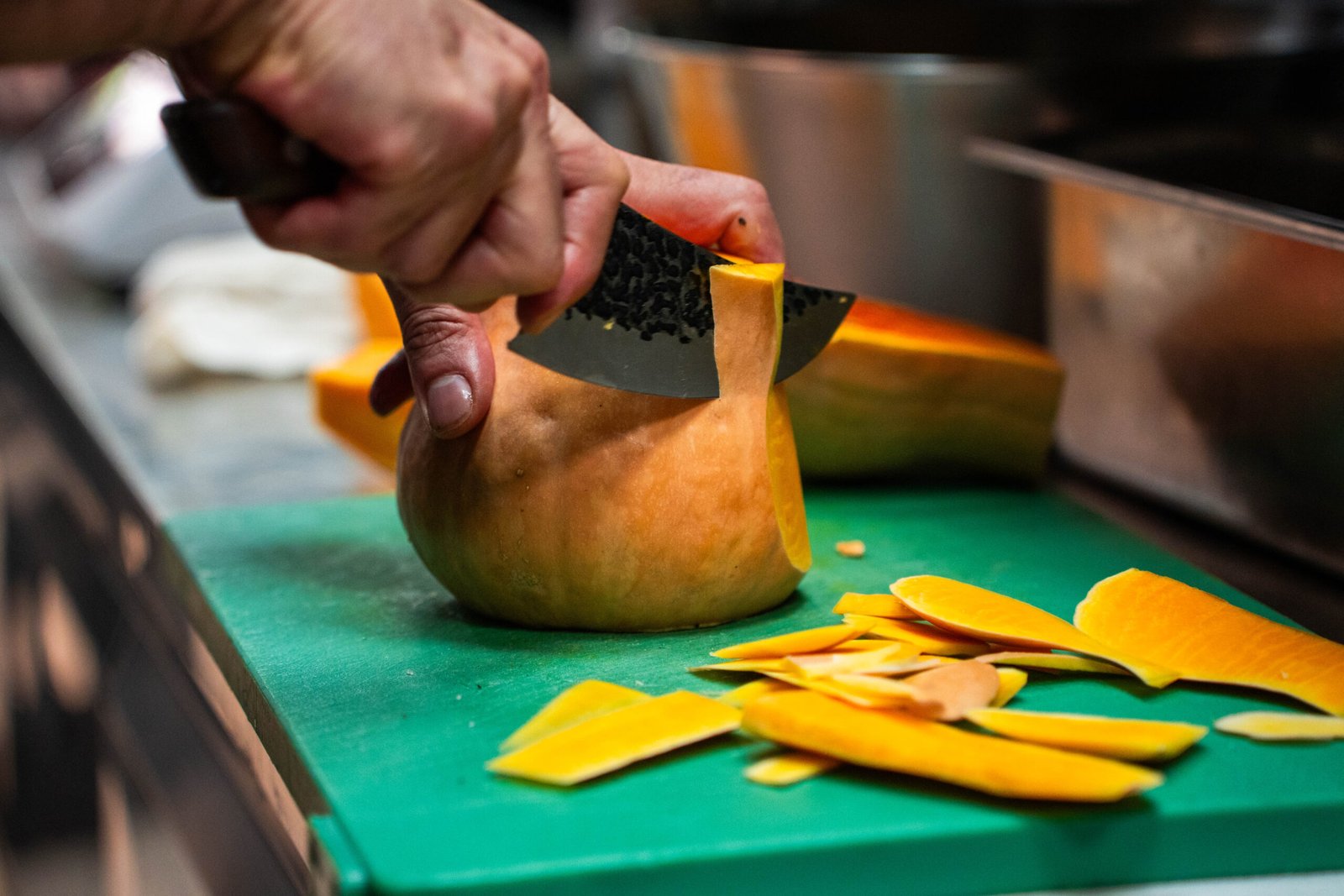
The pumpkin varieties grown in Italy
The word “pumpkin” covers a world of differences. Italy grows traditional varieties tied to specific places alongside cultivars of foreign origin that are now widespread.
To find your way, the colour of the skin alone is not enough: what matters most is the texture of the flesh, its sweetness and how much water it releases as it cooks.
Delica: compact and versatile
Usually fairly small, it is round and slightly flattened, with a dark green skin and orange flesh.
It is prized for its firm texture and sweet flavour. It is well suited to roasting, to fillings and to dishes where it is important to avoid too much moisture.
Cut into wedges and roasted, it shows off its flavour even with very little seasoning.
Cappello del prete: a pumpkin from the Mantuan tradition
Its shape recalls a turban, while the skin has grey-green tones. It is a variety linked to the cooking of Mantua and to the making of fillings.
Names are worth checking: “zucca mantovana” (Mantuan pumpkin) can also be used more broadly for pumpkins grown in the area. Asking the grower which variety you are buying helps you understand how to use it.
Marina di Chioggia: recognisable from its skin alone
It has a warty surface, in colours ranging from dark green to grey, and a generally round, flattened shape.
Its flesh lends itself to gnocchi, fillings and roasting. It is one of the pumpkins that show just how different the outside can be from the image of the classic orange pumpkin.
Butternut and Violina: sweetness and elongated shapes
They generally have a long neck and a wider lower part, where the seed cavity sits.
Names and characteristics can vary with the cultivar. These are versatile types, suited to soups, purées, roasted sides and sweet dishes.
Which pumpkin for which recipe?
The most useful question to ask at the market stall is: what do I want to cook?
For a filling, drier flesh gives a more concentrated stuffing that is easier to work with. In gnocchi, it reduces the need to add flour, which could mask the flavour of the pumpkin.
For a velvety soup you can also use wetter flesh, adjusting the amount of stock. For roasted wedges, you want a texture that holds its shape.
The variety is a guide, but the real test is the cooking: ripeness and storage can affect how each individual pumpkin behaves.
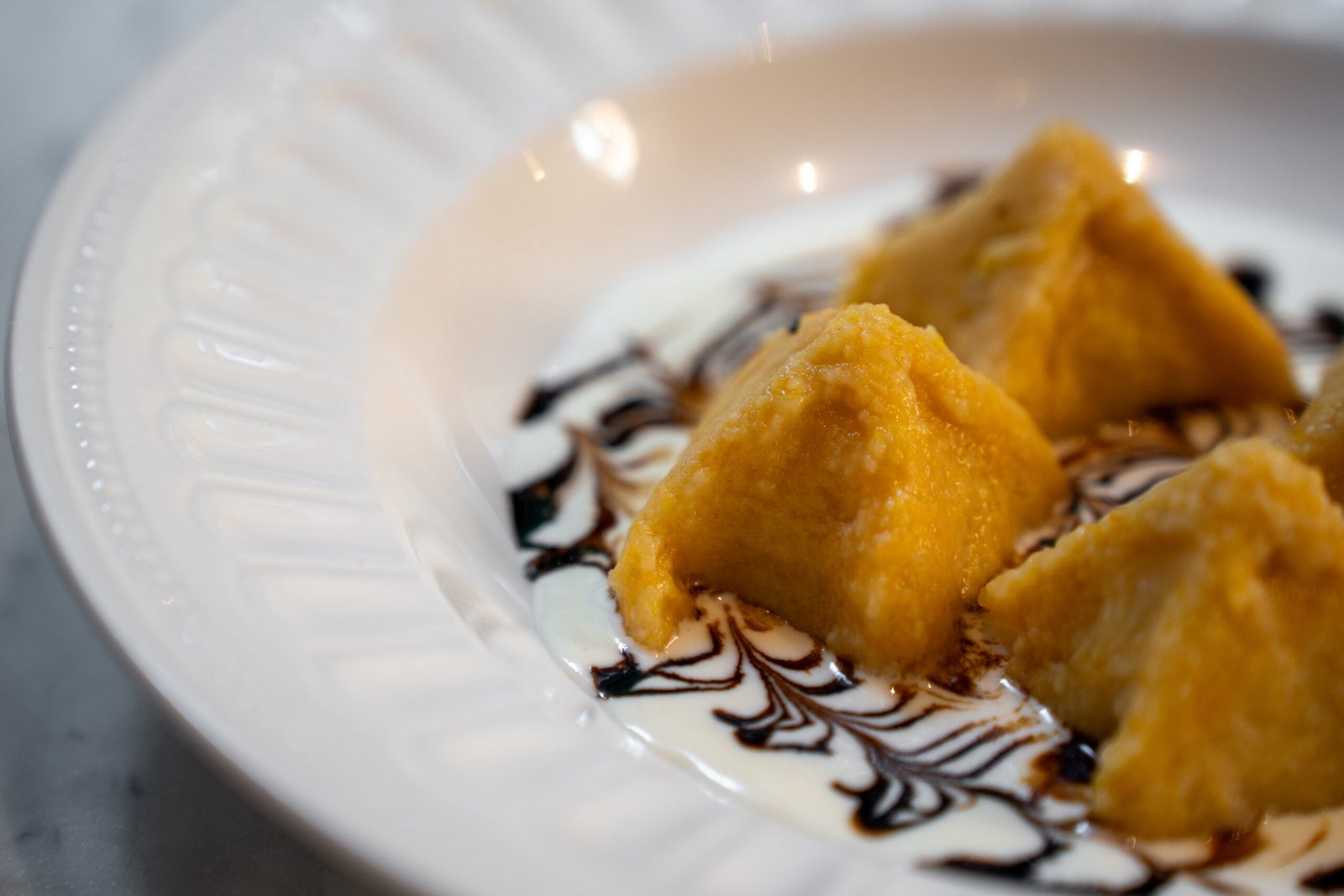
How cooking changes pumpkin
Part of its appeal in the kitchen lies in how the same ingredient can give very different results.
Roasted: concentrated flavour and golden edges
Roasting helps it lose water and develop toasty notes. For well-roasted wedges, cut them into even pieces, pat them dry and spread them out without overlapping.
Oil, salt and a herb are all you need for a side dish. The same wedges can become the base of a warm salad, together with a cheese and something crunchy.
Steamed: a delicate base
Steaming keeps the flavour more delicate. The flesh can be mashed or blended, then checked for moisture before it goes into a dough.
For gnocchi and fillings it is best to let it cool and, if necessary, dry it out further.
In the pot: soups, broths and risotto
In wet preparations pumpkin softens until it turns creamy. In risotto it can be added diced, as a purée or in both forms together.
For a velvety soup, add the liquid gradually: it is easier to thin a soup that is too thick than to rescue a watery one.
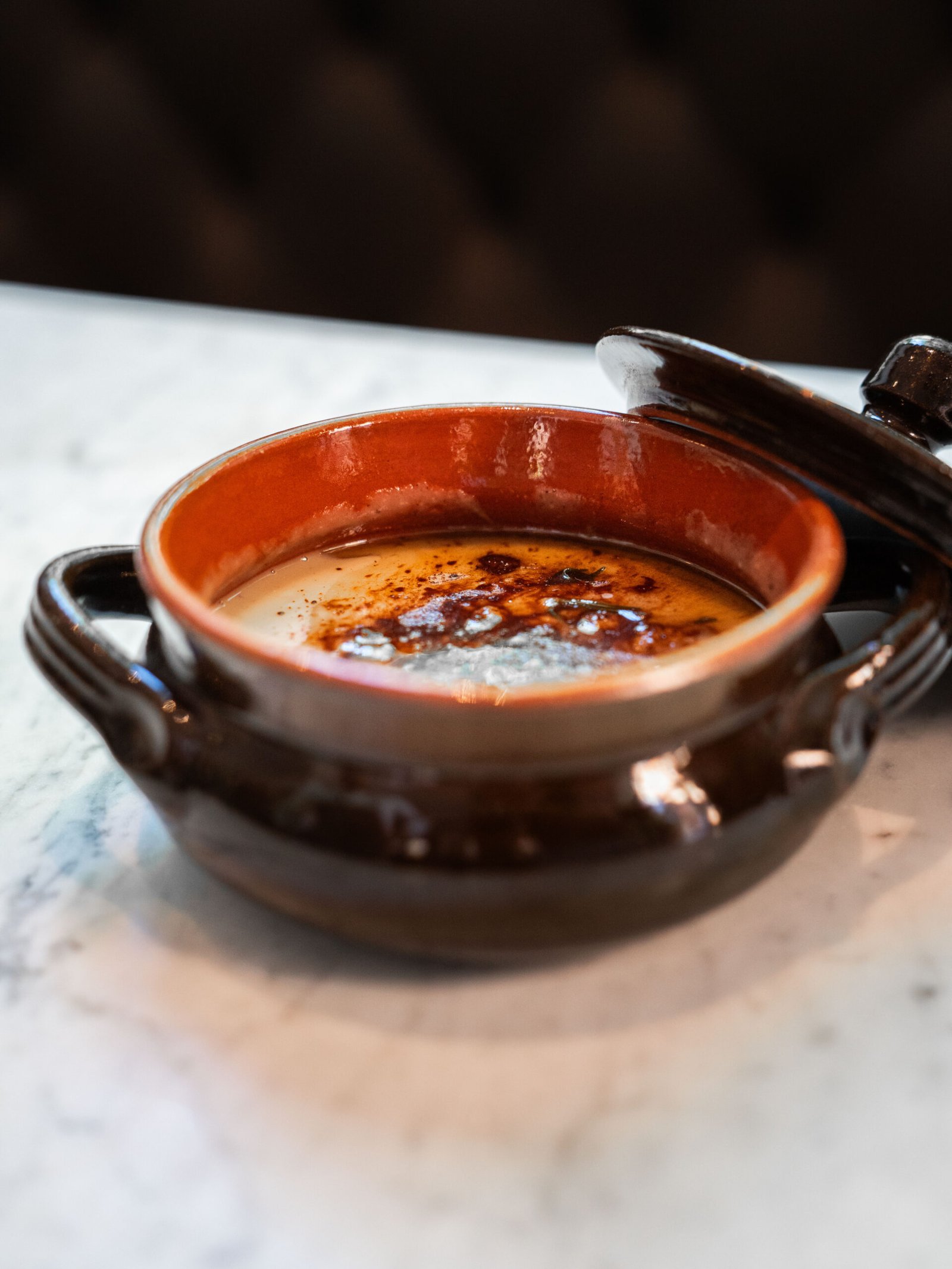
Pairings: how to balance the sweetness
Pumpkin has a natural sweetness that can be either matched or balanced. A successful dish often comes from bringing in savouriness, acidity, aromas and contrasting textures.
Parmigiano Reggiano and pecorino add savouriness; a blue cheese brings a more intense flavour. The result depends on the quantities: the cheese should accompany the pumpkin without overpowering it.
Mushrooms and chestnuts make for a combination full of autumn flavours. Chestnuts, however, add more sweetness and a floury texture: a fresh or savoury note can bring the whole dish into balance.
Sage, rosemary and thyme work well in roasting and in dressings. Chilli and ginger, used sparingly, add liveliness.
A small acidic element — a few drops of lemon or a vinegar dressing — can also make a very sweet, creamy dish feel lighter. Toasted seeds, croutons or nuts, on the other hand, add contrast to the softness of the flesh.
Pumpkin's versatility also allows pairings with fish, meat and less obvious ingredients: the key is to keep the different intensities in balance.
Pumpkin in Italian cooking
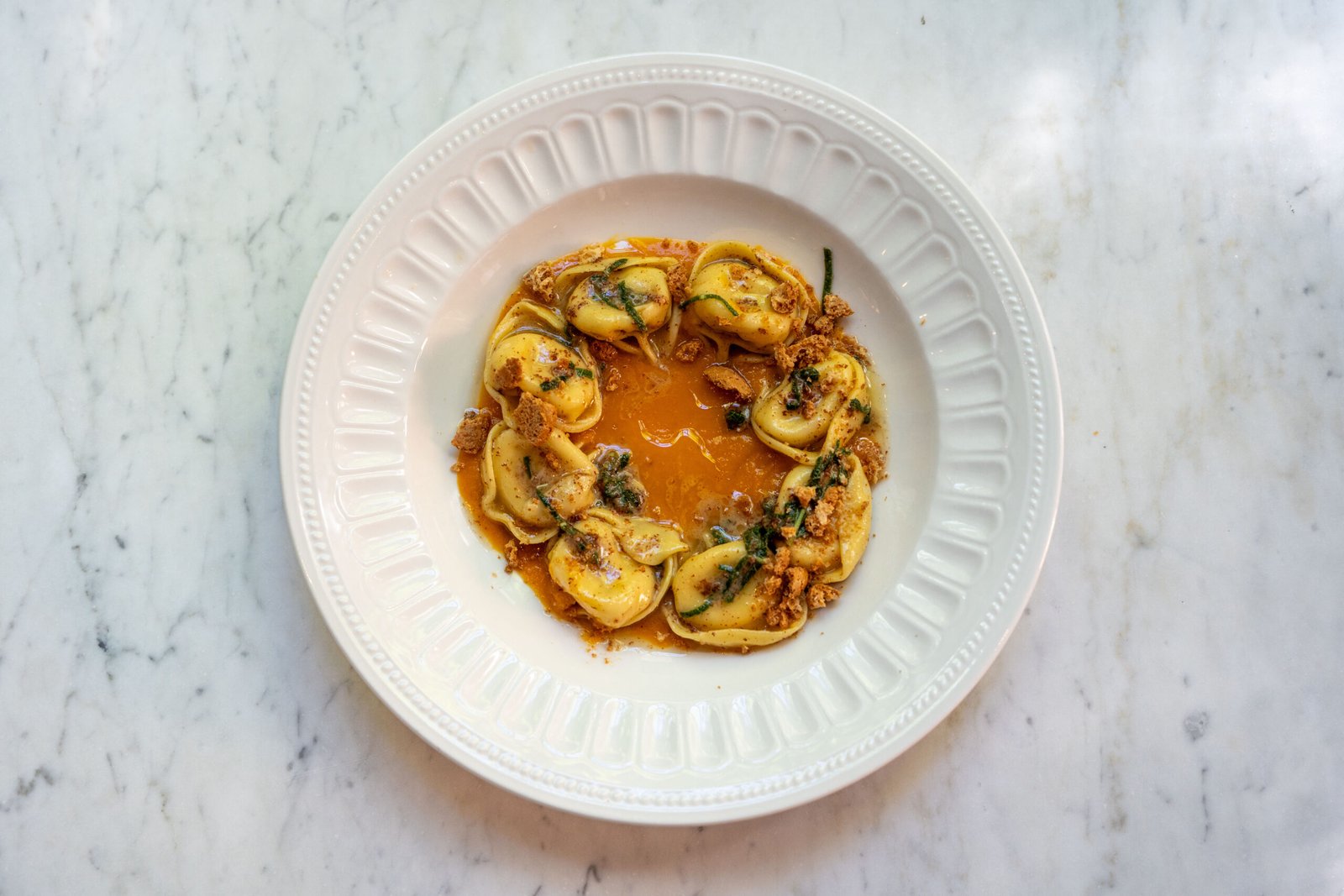
One of its best-known expressions is Mantua's tortelli di zucca, where the sweetness of the filling meets savoury ingredients and, depending on the recipe, amaretti biscuits and mostarda.
But the tradition also includes gnocchi, risottos, soups and baked dishes. The same flesh can become a rich filling, a creamy sauce or a simple side. Around Mantua in particular, tortelli, gnocchi and risotto bear witness to the bond between this ingredient and the local cuisine.
It is precisely this ability to change role that makes it so interesting: it can carry a dish or support the other ingredients, depending on the variety and how it is prepared.
From the vegetable garden to the pastry kitchen
Pumpkin's sweetness also has a place in desserts. The cooked flesh can go into cakes, muffins, cheesecakes and creams, adding colour and texture.
Before adding it to a mixture it is important to check its moisture: a very watery purée can noticeably change the result. Roasting is useful when you want a more concentrated base.
Cinnamon, ginger, chocolate and citrus zest let you build different profiles: spicier, richer or fresher. In desserts too, tasting the flesh before measuring out the sugar helps bring out its flavour.
How to choose and store pumpkin
A whole pumpkin should be firm, with intact skin and no soft spots or traces of mould. If you buy it already cut, the flesh should look firm and show no signs of spoiling.
A whole pumpkin is best kept somewhere cool, dry and well ventilated. Once cut, it should go in the fridge and be used within a few days; to keep it longer, you can portion it and freeze it.
A good habit is to cook it with several uses in mind: some in wedges for a side dish, some blended into a soup, some set aside for a filling. One ingredient, several different dishes.
Seeds, skins and small ways to cut waste
Before throwing away the scraps, it is worth looking at what can be saved.
The seeds of culinary pumpkins can be separated from the stringy fibres, rinsed, dried and toasted: they become a crunchy topping for soups and salads.
The skin of some culinary varieties can also be eaten, if intact, well washed and tender enough after cooking. Not all skins have the same texture, though: a very tough skin can remain unpleasant even after long cooking.
For cooking, always choose pumpkins sold for eating. Ornamental varieties and lanterns that have already been carved and put on display are meant for something else.
An ingredient to rediscover, one variety at a time
Halloween puts pumpkin in the spotlight for one night; the kitchen offers many more chances to get to know it.
The best way to start is to choose two different varieties and cook them the same way, with very little seasoning. Tasting them side by side lets you pick out differences in sweetness, texture and aroma that might go unnoticed in a more elaborate recipe.
From there you can build the dish: a filled pasta, a risotto, a tray of roast vegetables or a dessert. Following the character of the pumpkin in front of you.
An ingredient that changes role with the variety and the cooking method: it can carry a dish or support the others, from starter to dessert.
