
Campania
Agricola Bellaria: Irpinia told through wine
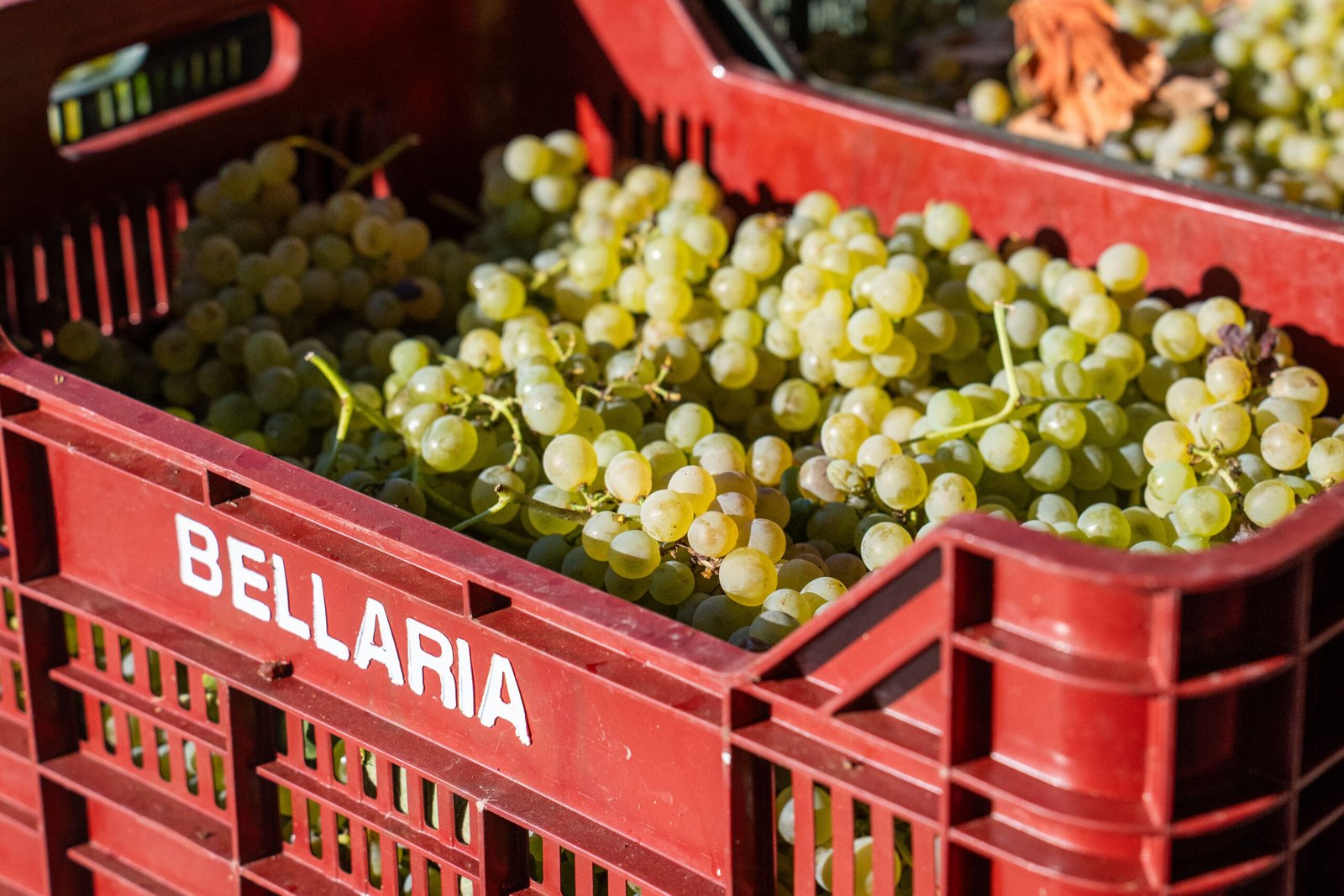
Some places cannot be told through a single wine. Irpinia is one of them: its hills, valleys and vineyards give rise to very different expressions, from the white Fiano and Greco to the depth of Aglianico. It is in this landscape, between the valleys of the Sabato and the Calore rivers, that the story of Agricola Bellaria begins.
A winery born from love for its land
Bellaria's story begins in 2002 with olive growing and the production of extra virgin olive oil. The first wines followed in 2007, and in 2011 the farming company took shape, bringing together the Maffei family of Roccabascerana and Antonio Pepe, whose family has been growing grapes in Montefalcione for three generations. Today the winery is based in Roccabascerana, surrounded by the Irpinian countryside.
A linden tree appears on the labels: it is the centuries-old tree that stands in the historic centre of Roccabascerana, chosen by Bellaria as a symbol of its bond with the village. It is a detail that sums up the winery's philosophy well: start from your roots and take the wines of Irpinia beyond its borders.
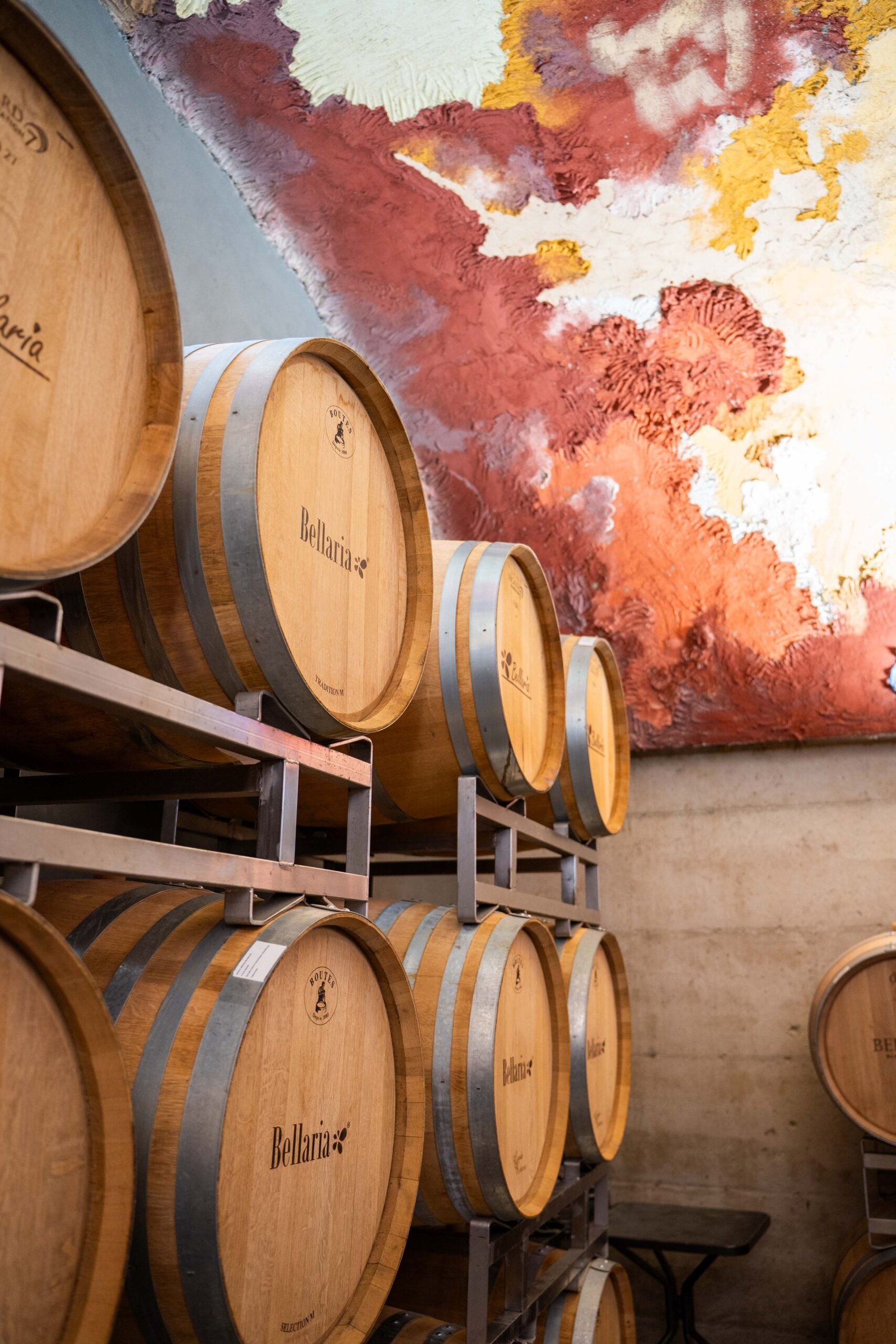
One territory, many vineyards
Bellaria's vineyards are spread across several towns in the province of Avellino, including Roccabascerana, Candida, Montefusco, Prata Principato Ultra, Montemiletto and Paternopoli. This spread allows the winery to work with different grapes and sites, timing the harvest to the ripening of each vineyard.
The wines on our menu reflect this variety too. The Falanghina comes from Roccabascerana; the Fiano di Avellino from the vineyards of Candida; the Greco di Tufo «Oltre» from those of Prata Principato Ultra and Montefusco. The Taurasi, made from Aglianico, comes from grapes grown in the vineyards of Paternopoli and Montemiletto.
It is a journey through the territory by way of styles as well: from the Fiano sparkling wine Sciuscià Millesimato Extra Brut, made using the traditional method, to the Irpinia DOC Fiano Passito, made from grapes left to dry on the vine and picked in December.

Irpinia on the plate and in the glass
The menu brings together Bellaria's wines and the cooking of the Avellino area. Some ingredients and dishes have clear roots in Irpinia; others have been chosen and reinterpreted to accompany the wines.
The full menu is served on Friday 16 October, at a dedicated dinner.
Welcome — Pasta frittatina, smoked provola and black pepper
Sciuscià Millesimato Extra Brut — Traditional Method Fiano
The pasta frittatina is a nod to Neapolitan street food: it is our Campanian starting point, before we head into the heart of Irpinia. Smoked provola and black pepper give it a bold character, while Sciuscià opens the evening with the bubbles of a Fiano made using the traditional method.
Rabbit stuffed with pumpkin, chestnuts and mushrooms, light herb jus
Falanghina — Agricola Bellaria
This dish is our take on the autumn flavours of the inland hills. Chestnuts hold an important place in the landscape and cooking of Irpinia: think of the Montella chestnut, tied to the Terminio-Cervialto area. Here they meet pumpkin and mushrooms in a stuffing designed to go with the rabbit and Bellaria's Falanghina.
Battered salt cod, sautéed escarole and olives
Fiano di Avellino DOCG — Agricola Bellaria
Salt cod, escarole and olives are familiar flavours in Campanian cooking. We bring them together in a dish that plays the crunch of the batter against the green notes of the escarole, paired with Bellaria's Fiano di Avellino.
Water-and-flour tonnarello «alla maccaronara», caciocavallo, mountain herbs and pork jus
Greco di Tufo DOCG «Oltre» — Agricola Bellaria
Maccaronara is one of the most representative fresh pasta shapes of Irpinia, closely linked to Montemarano, Castelfranci and Castelvetere sul Calore. It is a long, thick pasta made from a simple dough. Our water-and-flour tonnarello is inspired by that tradition, without claiming to be a maccaronara made the original way. The pork jus also recalls the meat sauces of Montemarano's cooking.
Pork cheek glazed with Aglianico, melting Montoro copper onion on crushed potato
Taurasi DOCG — Agricola Bellaria
The Montoro copper onion (cipolla ramata) takes its name from the colour of its outer skin. It is prized for its sweet flavour, its aroma and the way it holds up during cooking: qualities that make it ideal for the slow-cooked, melting preparation served with the cheek. The Aglianico glaze creates a link with Bellaria's Taurasi, made from this grape variety grown in the Irpinian vineyards of Paternopoli and Montemiletto.
Pear, sheep's milk ricotta, 70% dark chocolate and Irpinian hazelnut
Irpinia DOC Fiano Passito — Agricola Bellaria
The hazelnut brings another product of the Irpinian land to the dessert, in an area where hazelnut growing is widespread. We pair it with pear, sheep's milk ricotta and dark chocolate; in the glass, Bellaria's Fiano Passito brings the meal to a close.
A journey that starts in Bellaria's vineyards and ends at the table, through recipes, ingredients and wines that capture the many shades of Irpinia.
