
Autumn
Figs: September is the right time to bring them to the table
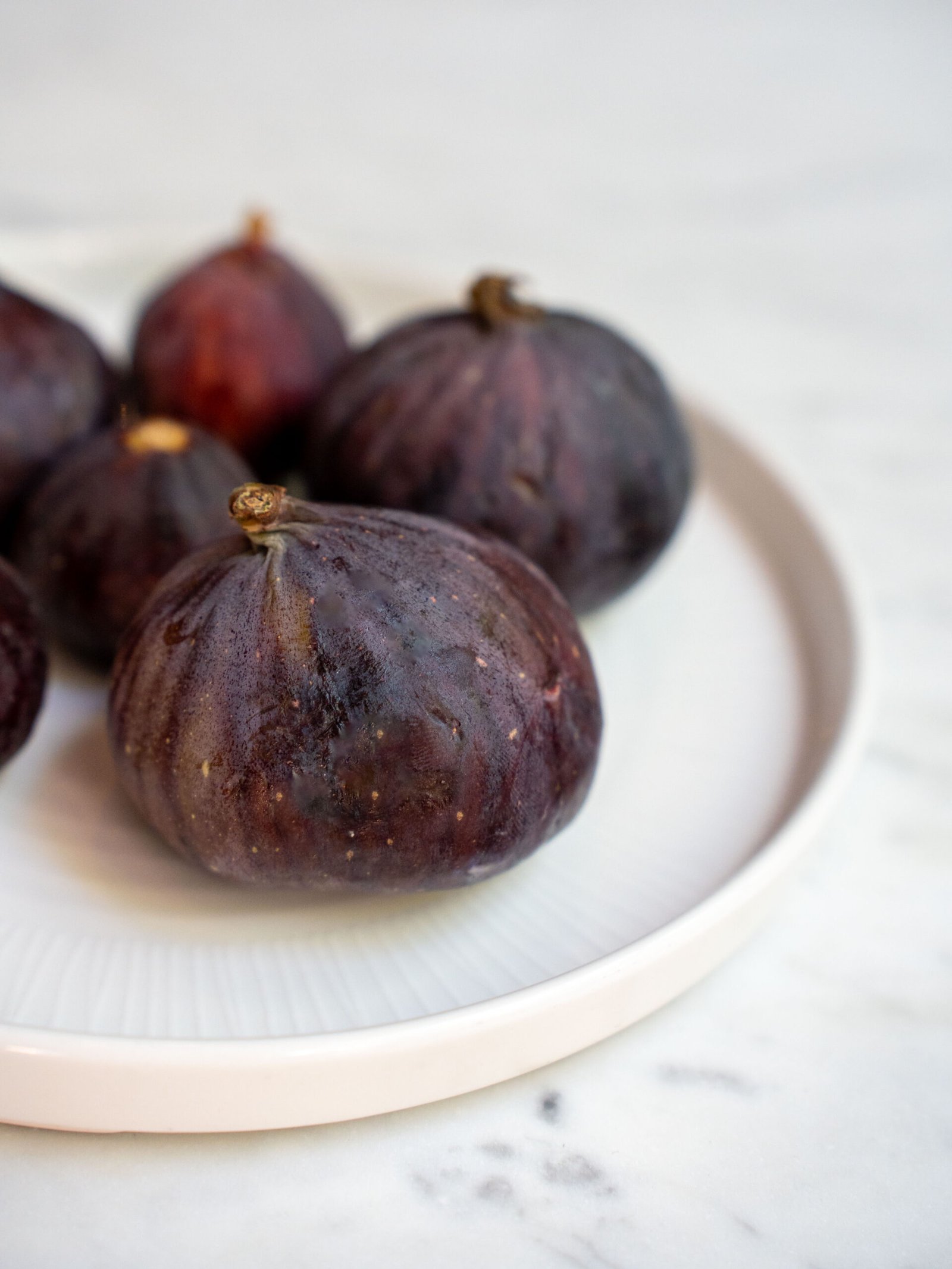
Sweet, soft and remarkably versatile, figs are one of the fruits that best capture the passage from the end of summer to the beginning of autumn.
We tend to think of them above all as fruit to eat just as they are, or as an ingredient for desserts and jams. In the kitchen, though, the fig has one particularly interesting quality: its natural sweetness makes it possible to build wonderful pairings with savoury ingredients too.
Ham and cured meats, fresh cheeses, nuts, meat and even fish.
But when is the real fig season? What are the characteristics of the black fig? And why does this fruit work so well in savoury cooking?
When is fig season?
Talking about fig season means first of all distinguishing between the plant's different ripening stages.
Early in the summer come the breba figs, generally larger and less sweet. Between the end of summer and the beginning of autumn comes the main crop instead.
August and September are therefore particularly rewarding months for eating fresh figs.
As they ripen the flesh turns soft, juicy and sugary, and the fruit's aromatic profile grows more intense.
It is precisely at this point that the fig also becomes a particularly interesting ingredient in the kitchen.
Green figs and black figs: what are the differences?
There are a great many fig varieties, differing in size, skin colour, texture and the character of the flesh.
The most immediate distinction is between green figs and dark figs.
The former have skin ranging from pale green to yellowish; the latter take on shades running from deep purple to almost black.
Colour, however, tells only part of the story.
For cooking, it is ripeness, texture, sweetness and aroma that make the difference.
The Salento black fig
For our seasonal menu we chose the Salento black fig.
The fig is a long-standing presence in the farming landscape of Puglia and of the Salento in particular. A plant able to adapt to the hot Mediterranean climate, and one that for generations was an important resource in country cooking.
The black fig stands out for its dark skin and its soft, sweet, aromatic flesh.
Qualities that make it a pleasure to eat on its own, but also remarkably versatile once it reaches the kitchen.
And this is exactly where it gets interesting.
Its sweetness can be used as a counterpoint to savoury, fatty or slightly acidic ingredients.
Why do figs and ham go so well together?
It is probably the best known savoury pairing of all.
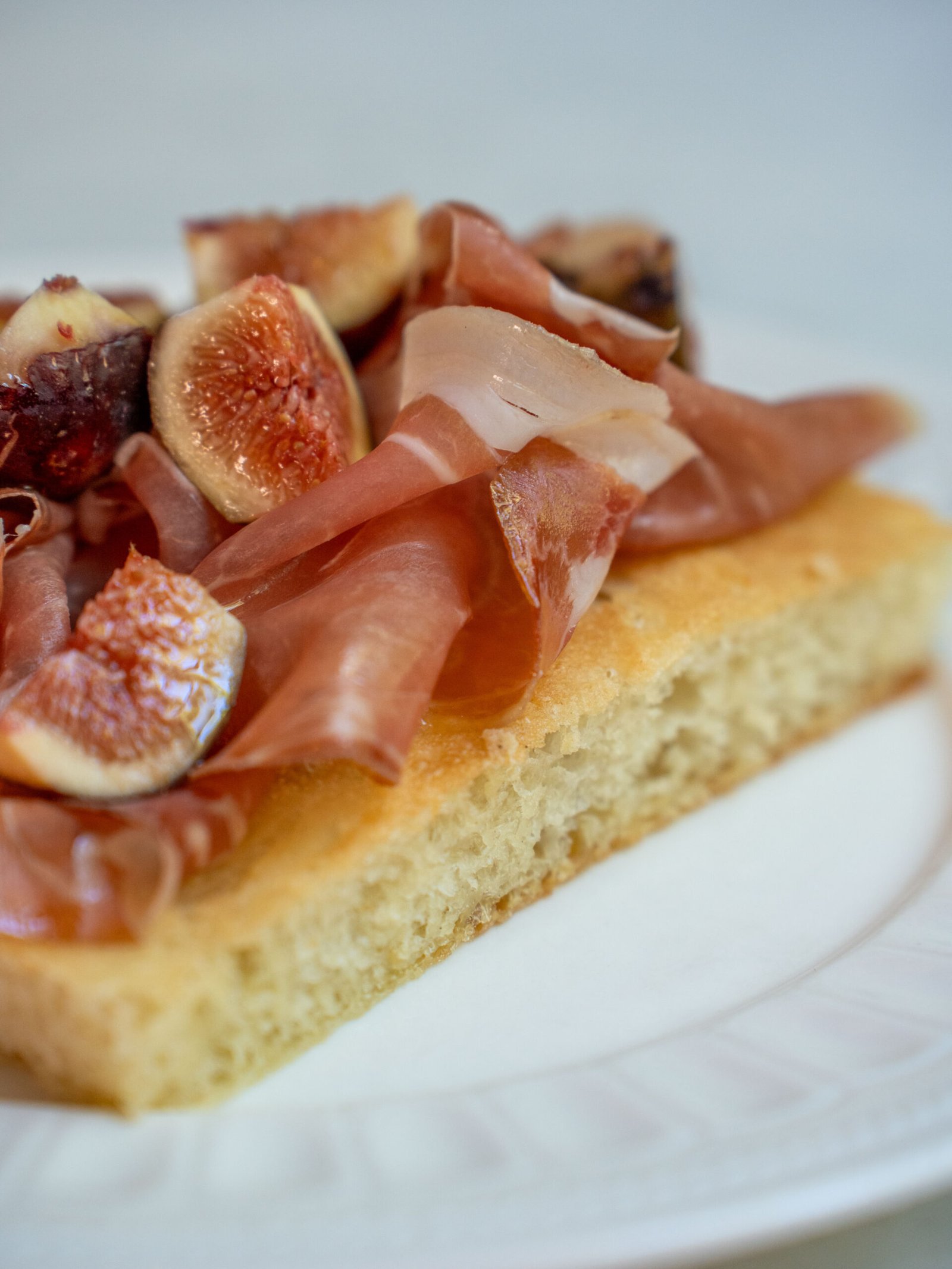
Ham and figs work because they bring together two apparently opposite qualities.
On one side the sweetness, the softness and the juiciness of the fig. On the other the saltiness and the fat of the ham.
The result is a very simple balance, deeply Mediterranean.
Out of this meeting comes our pan pizza with Bassiano ham and Salento black figs.
The pizza base adds a third essential element: crunch.
Figs and cheese: a question of balance
Cheese and figs is another classic pairing.
The lactic — and in some cases slightly tangy — character of the cheese balances the fruit's natural sweetness.
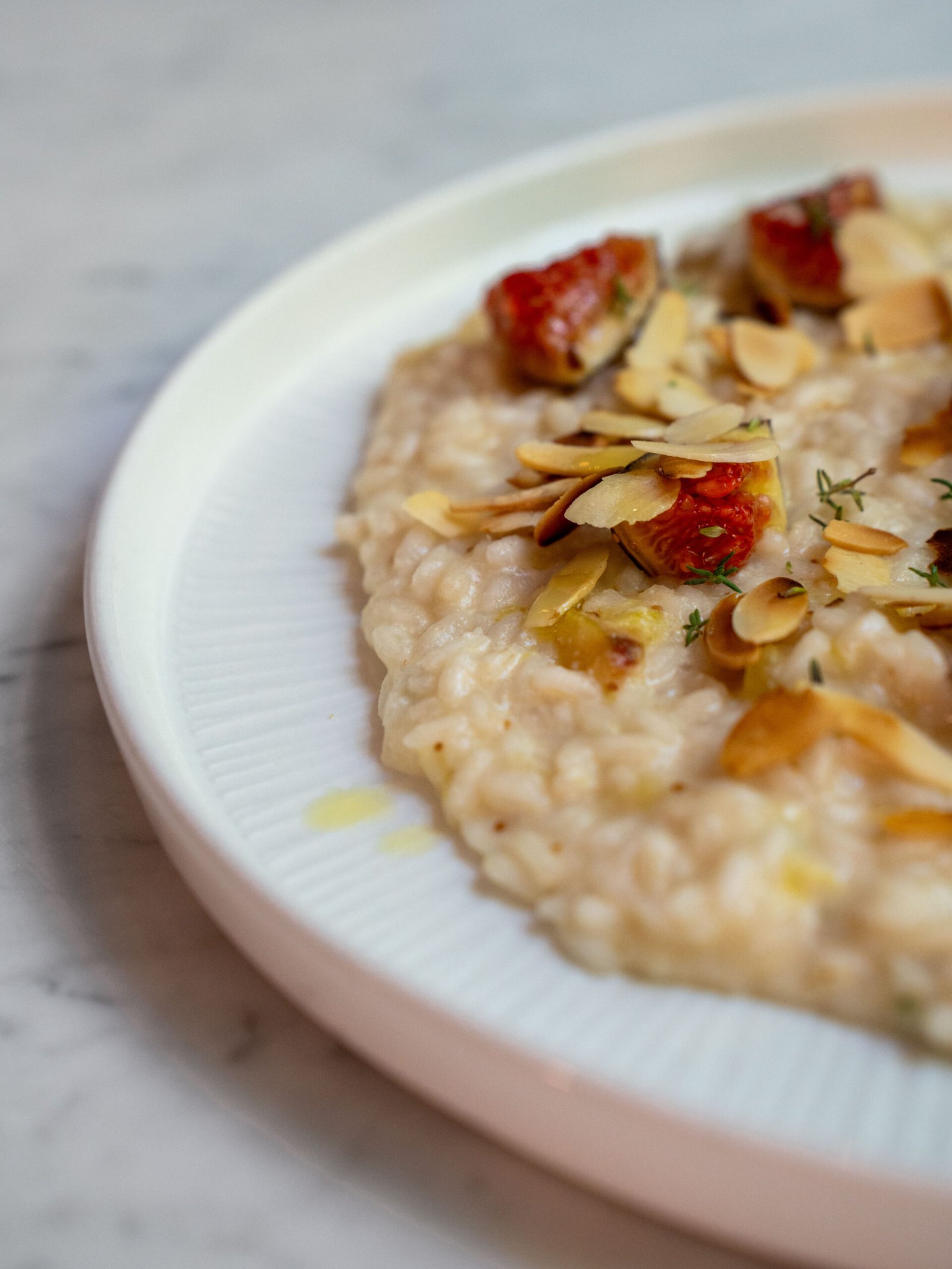
In our risotto with goat's cheese, figs and almonds, we built the dish on exactly that balance.
The goat's cheese brings creaminess and freshness, the fig adds sweetness and softness, while the almond completes the dish with a crunchy, toasted note.
Three different elements meeting in the same mouthful.
Figs and fish: a less obvious pairing
With fish the fig moves into less traditional territory, and perhaps for that very reason a more interesting one.
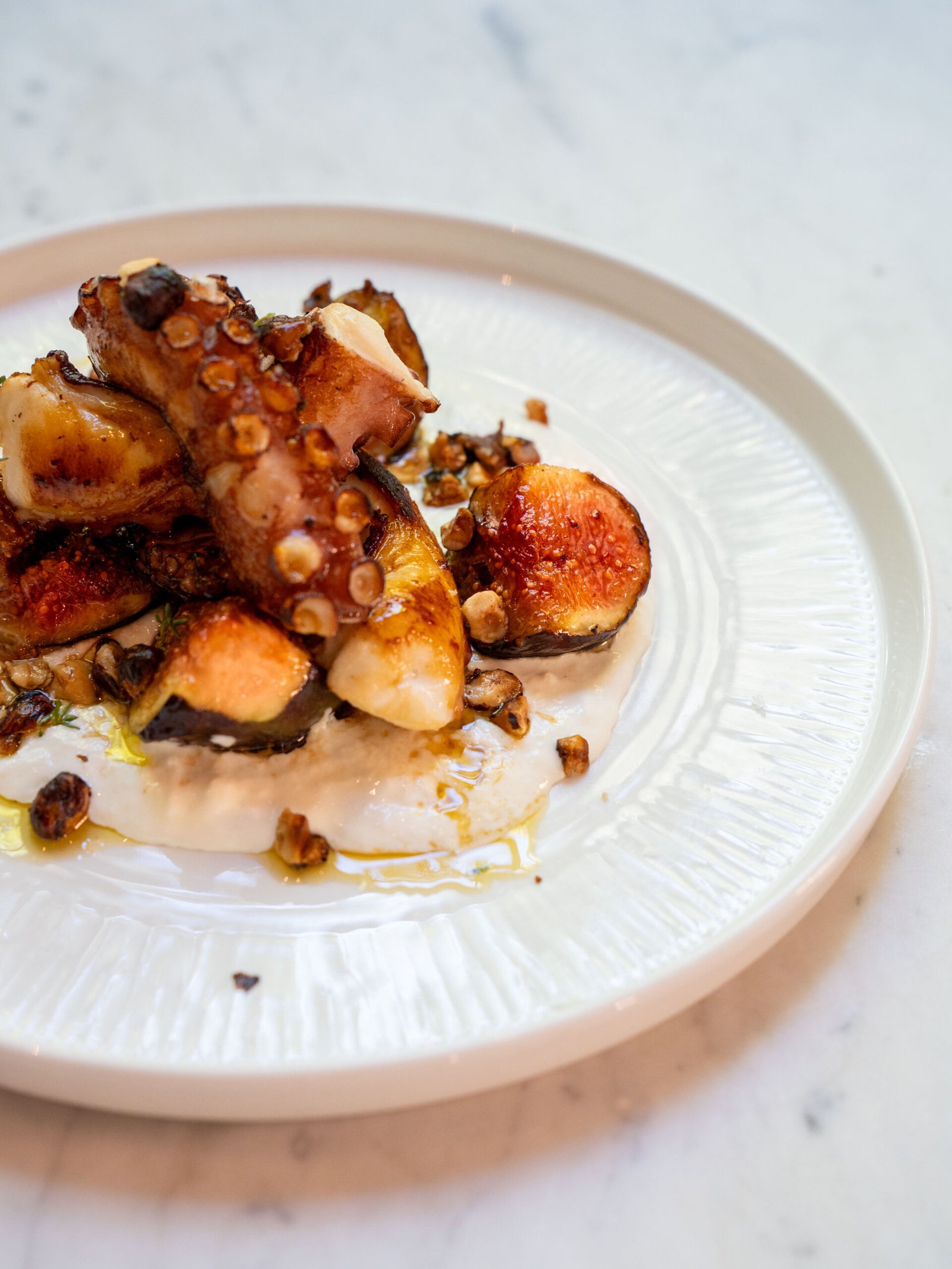
We chose to pair it with octopus, alongside stracciatella and toasted hazelnuts.
That is how our octopus with stracciatella, toasted hazelnuts and Salento black figs came about.
The savouriness of the octopus meets the creaminess of the stracciatella and the sweetness of the fig, while the toasted hazelnut adds fragrance and texture.
The fig should not make the dish sweet: it should create a contrast.
Figs and pork: a great classic of the kitchen
Then there is one ingredient with which the fig has a particular affinity: pork.
The rich, succulent character of the meat finds a natural counterpoint in the sweetness of the fig.
That is why we chose a black pork fillet with figs and balsamic vinegar.
The fig accompanies the meat with its sweetness, while the balsamic introduces an acidity that cleanses the palate and makes the whole more balanced.
It is probably the dish in which the fig most clearly shows its ability to turn from a simple fruit into a true culinary ingredient.
One ingredient, four dishes
It is precisely this versatility that led us to choose the Salento black fig as the star of our appointment with seasonality, with these 4 dishes created for the occasion:
- Pan pizza — Bassiano ham and Salento black figs
- Risotto — goat's cheese, Salento black figs and almonds
- Octopus — stracciatella, toasted hazelnuts and Salento black figs
- Black pork fillet — Salento black figs and balsamic vinegar
Four very different dishes, all built around the same ingredient.
From the simplicity of ham and figs to the contrast with goat's cheese, from the more unusual meeting with octopus to the depth of black pork with balsamic vinegar.
A way of telling the story of cooking through what the season has to offer.
Because every ingredient has its moment.
And September is the moment for figs.
